
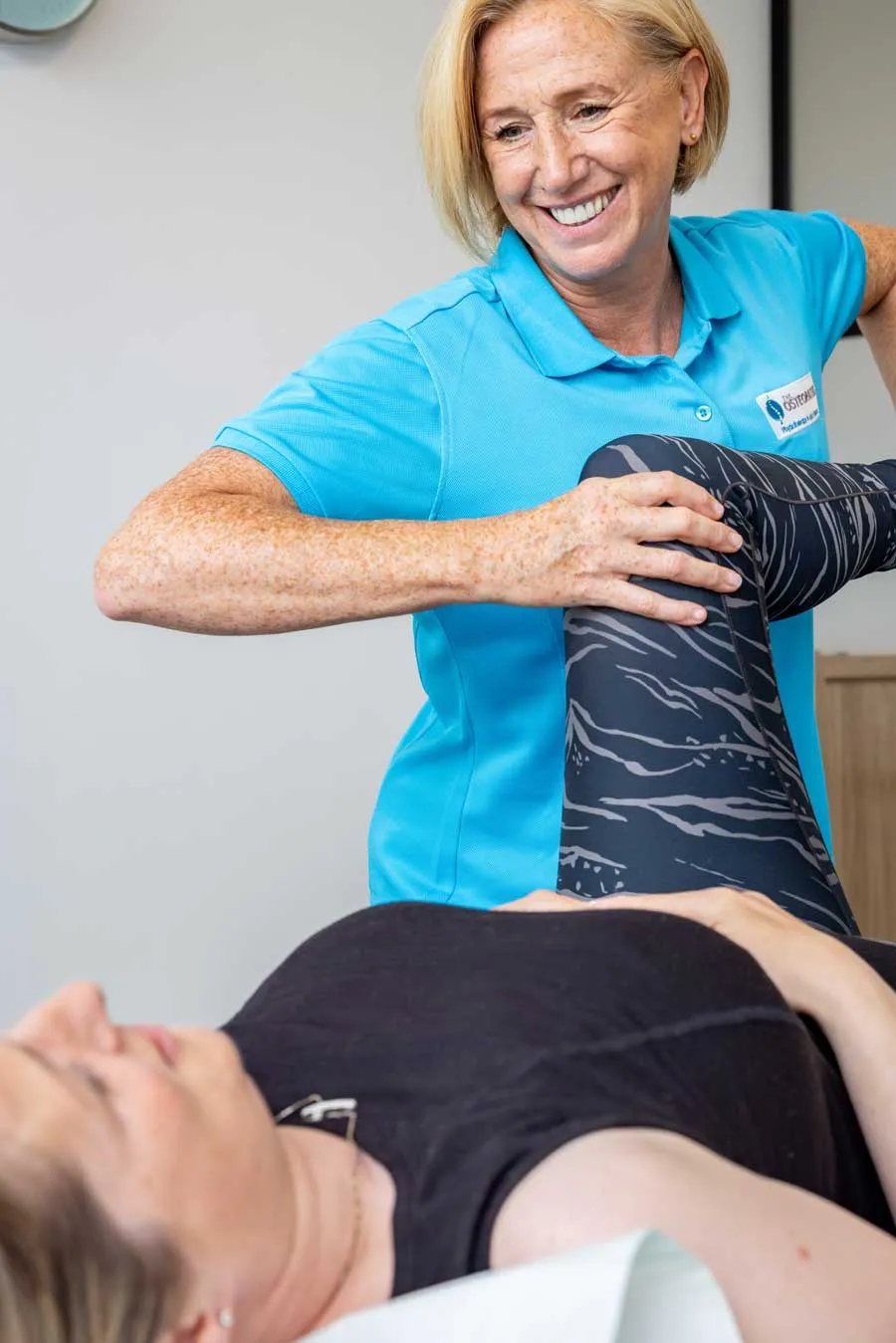
The knee is one of the body’s strongest joints, but it’s also one of the most vulnerable. Injuries, arthritis, overuse, or poor biomechanics can all cause pain, stiffness, and swelling that make everyday movement difficult.
At The Osteopaths Physiotherapy & Injury Rehab, with clinics in Glasgow, Paisley, and Ayrshire, we specialise in diagnosing and treating knee pain. Whether it’s a recent injury or a long-term issue, our osteopaths and physiotherapists provide hands-on treatment, rehabilitation exercises, and lifestyle advice to reduce pain, improve mobility, and support lasting recovery.
These symptoms may stem from ligament injuries, arthritis, tendonitis, cartilage damage, or simple overuse.

EXCELLENTTrustindex verifies that the original source of the review is Google. Very professional.Posted on GoogleTrustindex verifies that the original source of the review is Google. Great treatment at this Clinic. Been treated by Alessio who is an excellent Osteopath. I am so much better and improving with each visit. Would highly recommend Alessio.Posted on GoogleTrustindex verifies that the original source of the review is Google. Wonderful experience with Theresa. I am posting this after initial consultant and before further treatment so no comment on results. As far as the appointment, it’s the most involved and in-depth physical assessment I’ve ever had. I felt validated for my issues and assured there could be a way forward. The assessment was through, explanation was clear and sensible and Theresa was so polite, friendly and fun. Couldn’t fault it, look forward to my next visit.Posted on GoogleTrustindex verifies that the original source of the review is Google. Easy and comfortable with the physiotherapist and stress free After treatment had the best night's sleep in months. Wished I'd gone sooner.Posted on GoogleTrustindex verifies that the original source of the review is Google. Great service as ever.Posted on GoogleTrustindex verifies that the original source of the review is Google. lovely people, really well organised and calmPosted on GoogleTrustindex verifies that the original source of the review is Google. Staff are very friendly and professional Wish I knew about them years ago Allesio has saved me from going through another knee replacement very knowledgeable.Posted on GoogleTrustindex verifies that the original source of the review is Google. Great appointment with Teresa yet again. I have fibromyalgia so going here every few weeks really helps me, getting manipulation on my neck, spine & hips. Also acupuncture helps me a lot. Would definitely recommend for anyone to try the osteopaths even for a routine check up
What causes knee pain?
How long does knee pain last?
Can knee pain be prevented?
Is it safe to exercise with knee pain?
When should I see a doctor or specialist?
How to relieve knee pain at home?
What’s the difference between a strain, sprain, and ligament injury?
How does physiotherapy help with knee pain?