
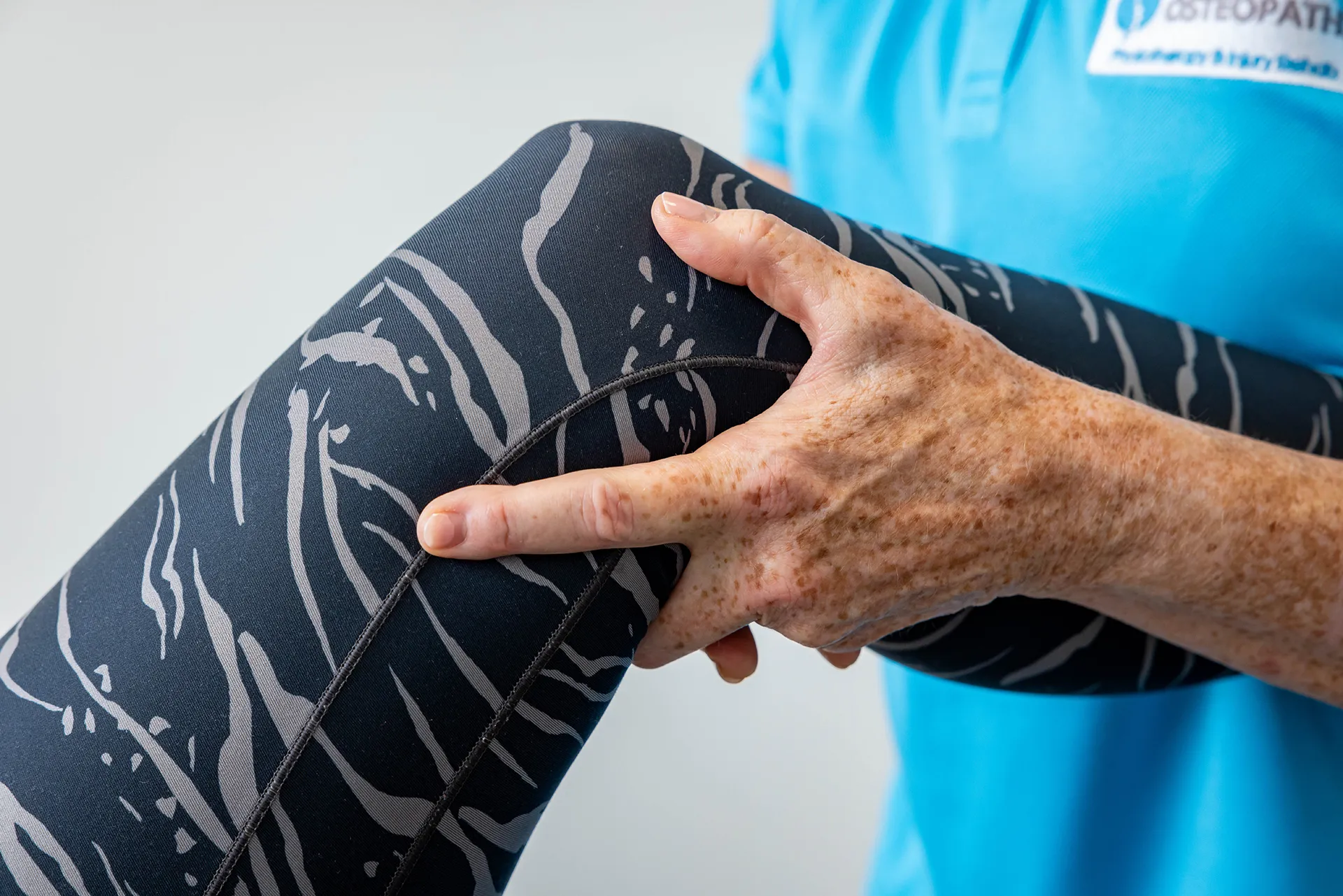
Osteoarthritis (OA) is a type of joint disease that is caused by the breakdown of joint cartilage and underlying bone. It is often classified as wear and tear, but it should also be regarded as age related change; gradual change of the cartilage that is part of the normal life cycle of the body. Not all joints with OA cause pain, so you may have such changes and be able to go about your day-to-day life without any problems.
The most common symptoms of OA are joint pain and stiffness. Initially, symptoms may occur only following activity, but over time they may become more constant.
Other symptoms can include joint swelling, decreased range of motion. In some cases osteoarthritis of the spine can affect the nerves that supply the legs or arms, causing pain and occasionally weakness and numbness. The most commonly involved joints are those near the ends of the fingers, at the base of the thumb, neck, lower back, knee, and hips. Joints on one side of the body are often more affected than those on the other. Usually, the symptoms come on over years. It can affect work and normal daily activities. Unlike other types of arthritis, only the joints are typically affected.
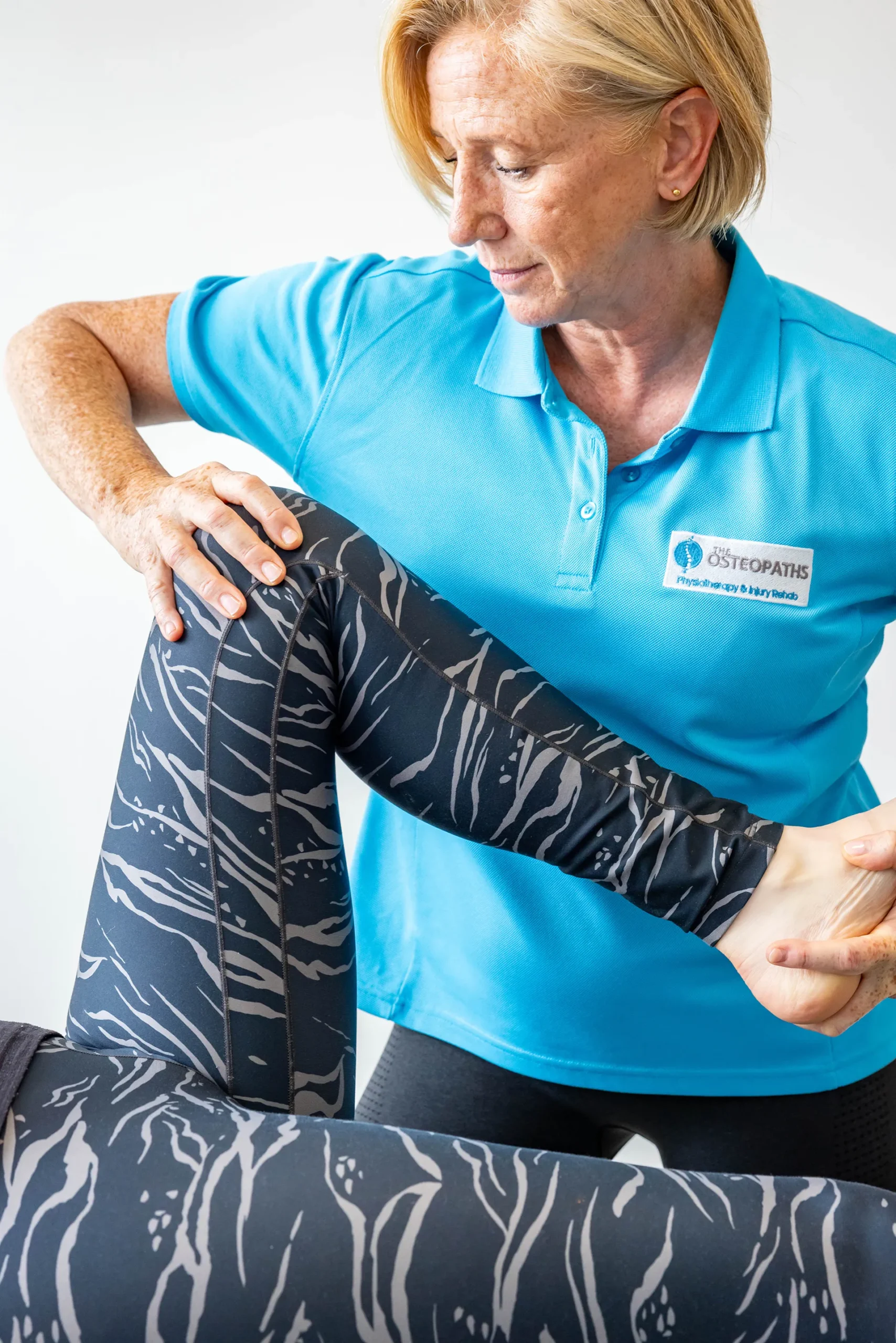

Your osteopath cannot reverse the changes associated with OA but can help you to adapt to compensate and reduce symptoms you may experience. Exercise is not contraindicated for those with OA, and in fact current evidence shows that maintaining activity reduces disability associated with the condition and helps people manage their symptoms more effectively. However, in some cases surgery may be required should the symptoms progress.






We and our partners, including Google, use cookies and personal data to analyse traffic and for ads personalisation and measurement. You can accept, reject or choose which cookies to allow. Privacy Policy • Cookie Policy • Terms & Conditions • Google Privacy
We use cookies to help you navigate efficiently and perform certain functions. You can choose which categories to allow below. Cookies categorised as Necessary are always active.
We also use third-party cookies for analytics and advertising. These are only stored with your consent. You can update or withdraw consent at any time via the cookie icon at the bottom-left. This site operates under UK GDPR, the Data Protection Act 2018, and the Privacy and Electronic Communications Regulations (PECR). Cookie Policy • Privacy Policy
Necessary cookies are required for core site features including security, network management, and consent storage.
| Cookie | Duration | Description |
|---|---|---|
hmdg_cookie_consent | 180 days | Stores your cookie consent preferences. |
PHPSESSID | Session | WordPress session identifier. |
wordpress_logged_in_* | Session | WordPress login authentication. |
Functional cookies enable enhanced features such as live chat and remembering preferences.
| Cookie | Duration | Description |
|---|---|---|
wp-settings-* | 1 year | Stores user interface preferences. |
Analytics cookies help us understand visitor behaviour. Controls analytics_storage for Google Analytics 4.
| Cookie | Duration | Description |
|---|---|---|
_ga | 2 years | Google Analytics — distinguishes users. |
_ga_* | 2 years | Google Analytics 4 — session persistence. |
_gid | 24 hours | Google Analytics — distinguishes users. |
_gat | 1 minute | Google Analytics — throttles request rate. |
Performance cookies collect aggregate, anonymous data about site performance.
| Cookie | Duration | Description |
|---|---|---|
_gat_gtag_* | 1 minute | Google Tag Manager — rate throttle. |
Marketing cookies track visits to deliver relevant ads. Controls ad_storage, ad_user_data, and ad_personalization.
| Cookie | Duration | Description |
|---|---|---|
_gcl_au | 90 days | Google Ads — conversion tracking. |
_gcl_aw | 90 days | Google Ads — click attribution. |
_gac_* | 90 days | Google Ads — campaign information. |
IDE | 1 year | Google DoubleClick — ad targeting. |
Powered by HMDG • Cookie Policy